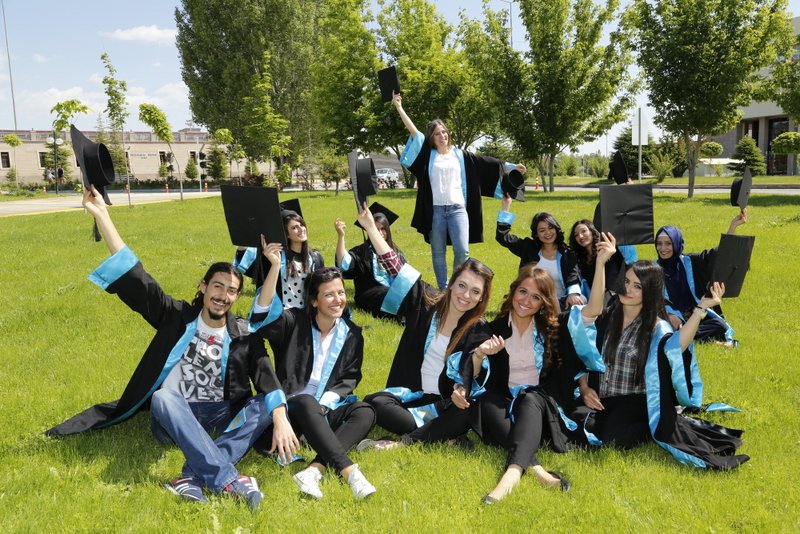
Niğde Ömer Halisdemir Üniversitesini tercih ettikten sonra biz öğrencilere sağladığı imkânların kişisel gelişimim açısından bana fazlasıyla katkı sunduğunu gördüm. Hocalarımızın da bize değer katmak için sergiledikleri çabalara bizzat şahit oldum. Her geçen gün bize daha iyi bir eğitim vermek için kendisini sürekli güncelleyerek geliştiren üniversiteme sonsuz teşekkür ediyorum. Bu ailenin bir parçası olmaktan mutluluk duyuyorum.
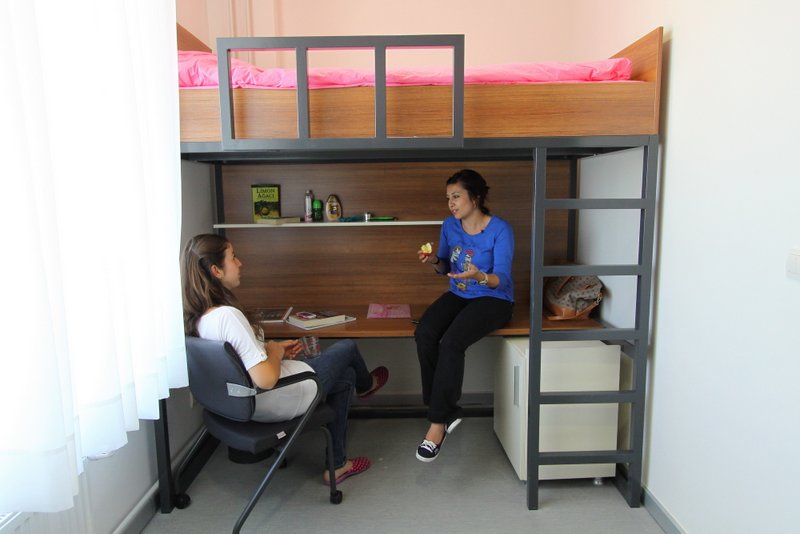
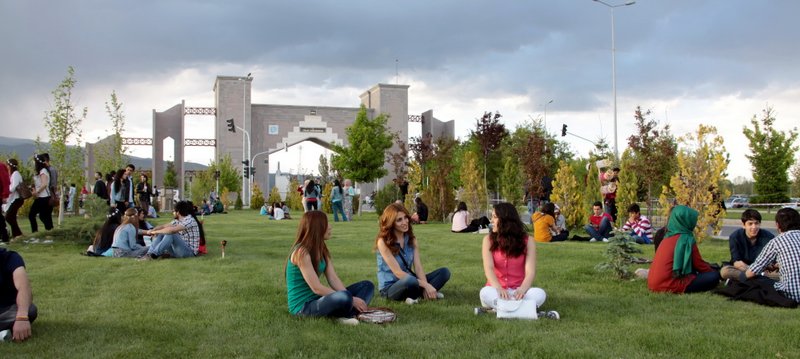
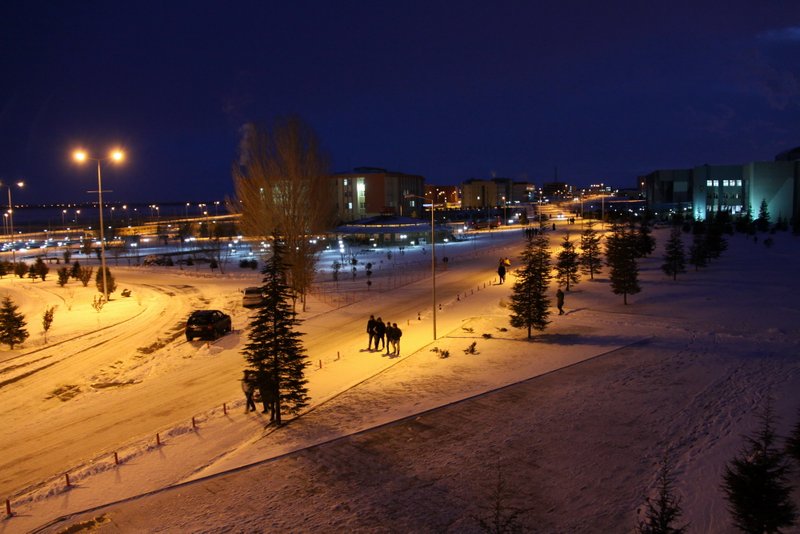
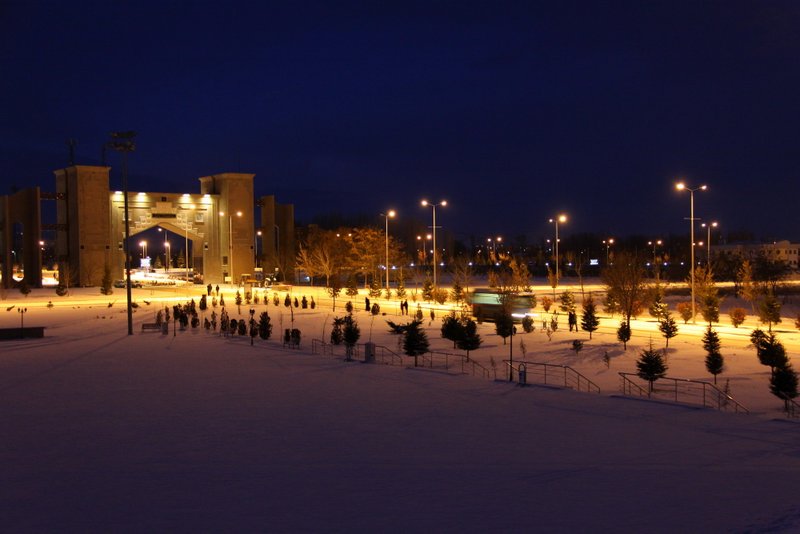
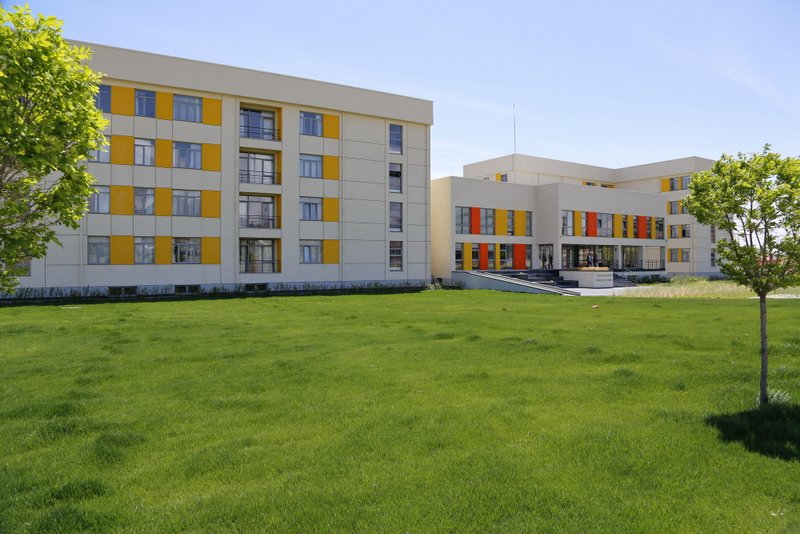
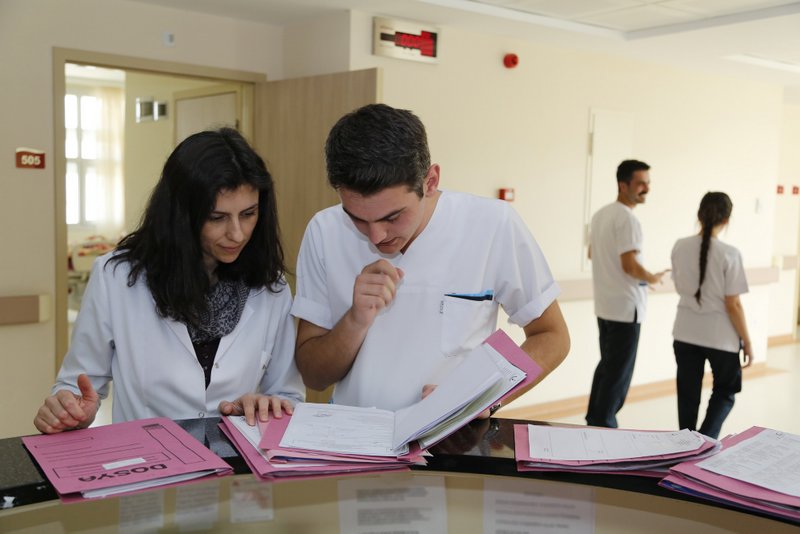
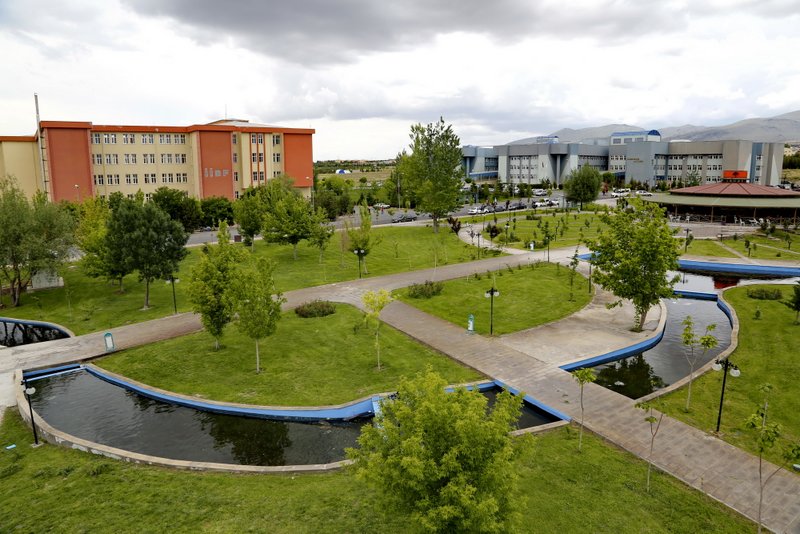
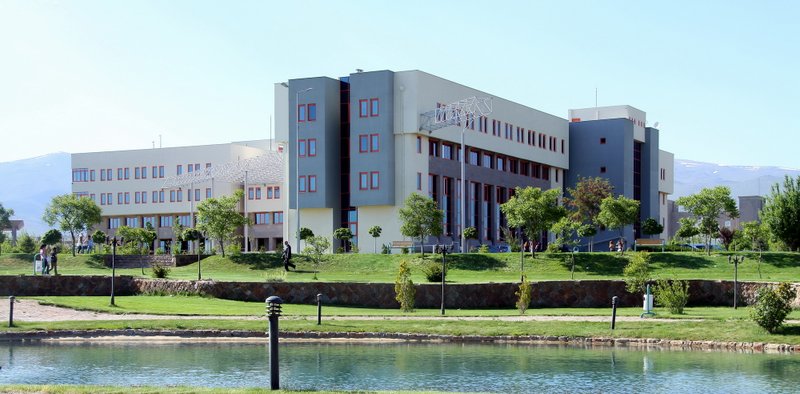
Niğde Ömer Halisdemir Üniversitesini sosyal kampüs ve barınma olanakları, fakültemin yüksek kalitesi ve akademik kadrosunun yetkinliği nedeniyle tercih listemde ilk sıraya yazmıştım. Geçirdiğim iki senenin ardından ne kadar doğru bir karar verdiğimi anladım. Bu üniversite, hayatımdaki seçimlerim arasında "iyi ki bu kararı vermişim" dediklerim arasında…
NÖHÜ benim için ne anlama mı geliyor? Aile ortamının sıcaklığını her an hissedebildiğim, her fırsatta öğrenciye hitap eden, başarılı akademik kadrosu ile öğrenciye değer veren bir üniversite.
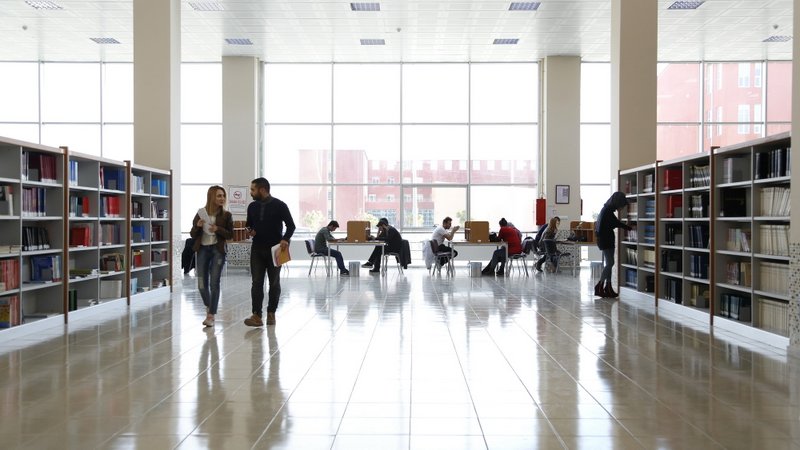
Niğde Ömer Halisdemir Üniversitesini tercih etmemde akademik altyapısının ve kampüs olanaklarının büyük bir etkisi oldu. Bu üniversite, bulunduğu tarihi ve coğrafi konumun da etkisiyle bir öğrencinin hem akademik hem de kişisel gelişimine katkı sağlıyor.
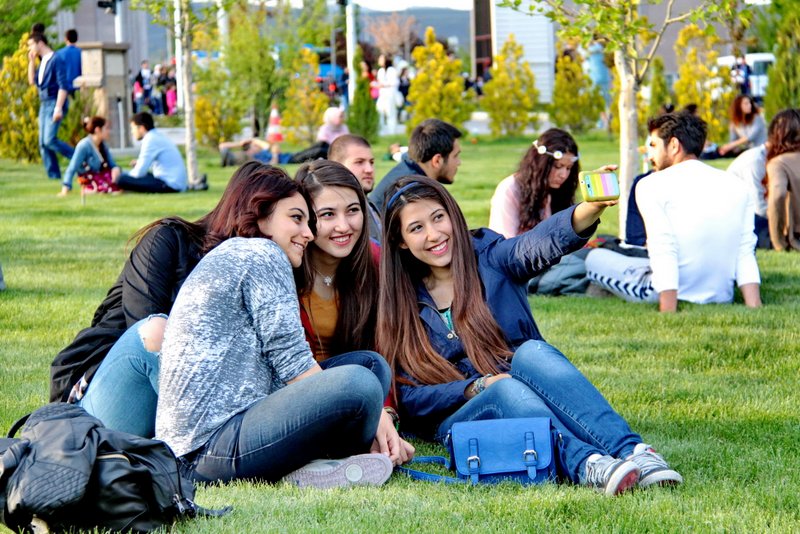
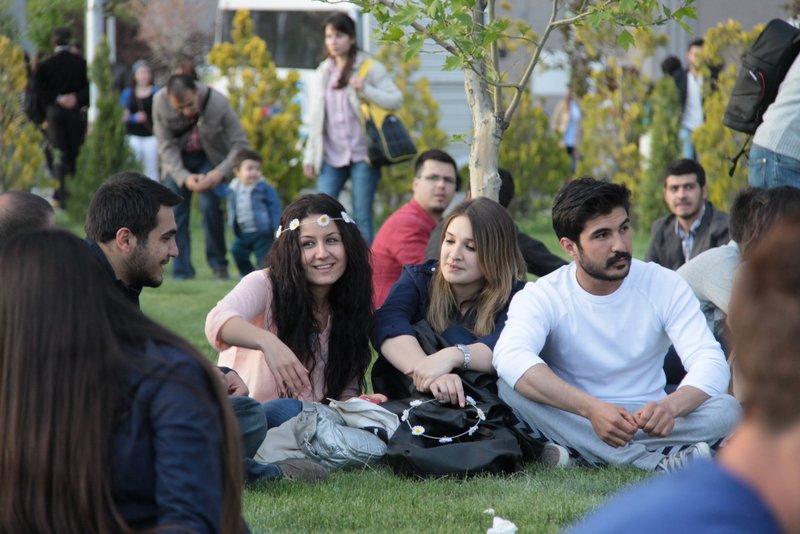
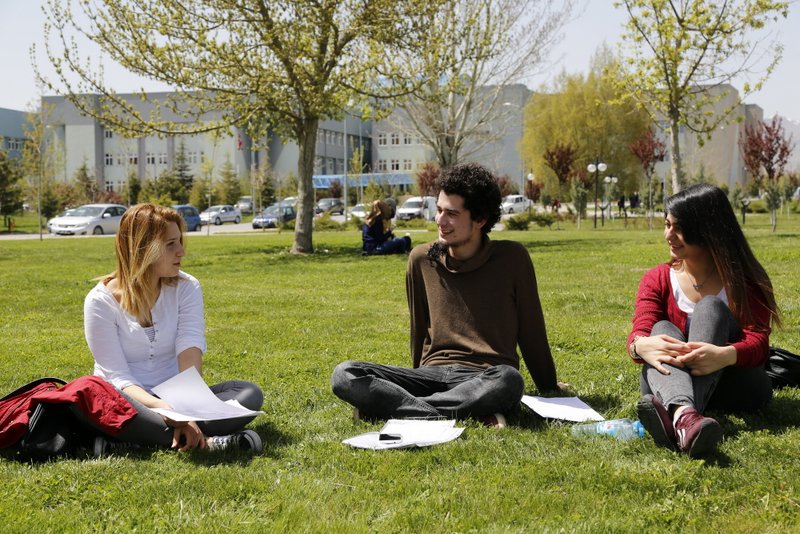
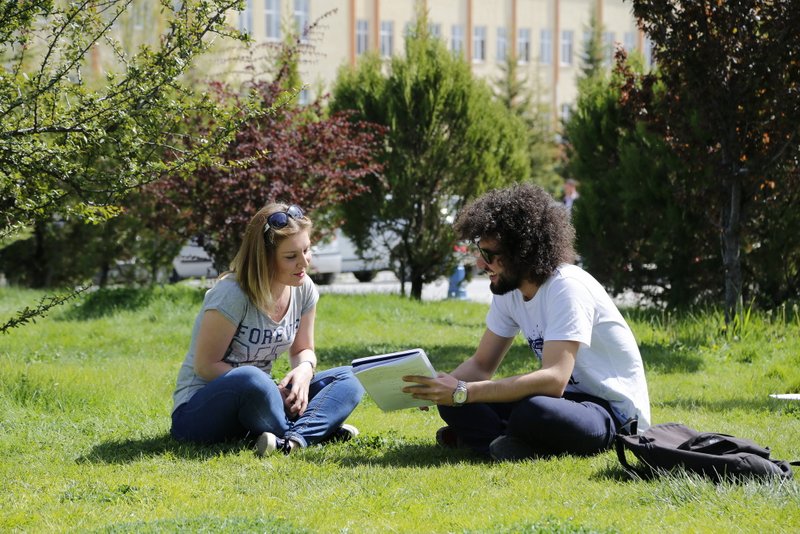
Üniversitemin hayatıma bu kadar güzellikler katacağını bilemezdim. Edindiğim her bilgiyi, kurduğum dostlukları, kampüsümüzde geçirdiğim zamanları hayatım boyunca unutmayacağım. İyi ki varsın NÖHÜ…
Niğde Ömer Halisdemir Üniversitesi; akademik kadrosu ile her zaman iletişimde olabildiğimiz ve kendimizi geliştirebilmemiz için projelerle bizlere destek veren, dinamik kadrosuyla öğrenciyi aktif tutan bir üniversitedir.